AKOB, Akdeniz Opera ve Bale Kulübü Kültür-Sanat Dergisi, No. 72, January 2024, pp. 12-18.

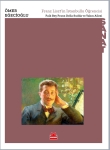
The life and times of the child prodigy composer Erich Wolfgang Korngold (1897-1958), who became a Hollywood movie music composer after a stunning career start in Vienna as a young man (in Turkish).
(Click on the cover to download PDF, 8 pages, 1MB)
Sanattanyansimalar.com, November, 2023.

Jake Heggie's imensely successful 2000 opera Dead Man Walking has had its New York MET premiere in September 2023. Ivo van Hove's production featured Joyce DiDonato as Helen Prejean and Ryan McKinny as Joseph De Rocher. The original Sister Helen Susan Graham returned as De Rocher’s mother. (in Turkish).
(Click on the cover to download PDF, 6 pages, 5MB)
Voyages croisés entre l’Europe et l’Empire ottoman au XIXe siècle. Écrivains, artistes et musiciens à l’époque des Tanzimat, Nicolas Dufetel et Sarga Moussa (dir.), Istanbul, Éditions Isis, 2023, pp. 203-224.
A brief introduction to the life and times of Faik Bey Franz Della Sudda, the student of Franz Liszt from Istanbul (in French).
(Click on the cover to download PDF, 24 pages, 7MB)
AKOB, Akdeniz Opera ve Bale Kulübü Kültür-Sanat Dergisi, No. 71, February 2023, pp. 26-31.

A visit to the Bayreuth Wagner Festival theater, built according to the wishes and specifications of Richard Wagner for the performance of his Ring cycle. The Festspeiele in the summer of 2022 included Tannhäuser and Lohengrin (in Turkish).
(Click on the cover to download PDF, 7 pages, 7.5MB)
AKOB, Akdeniz Opera ve Bale Kulübü Kültür-Sanat Dergisi, No. 70, November 2022, pp. 16-20.

Brindisi, Busseto, Florence, Padova, Pisa, Salerno, San Severo, Sassari and Trieste are among the towns in Italy which are proud to have a "Teatro Verdi" (in Turkish).
(Click on the cover to download PDF, 6 pages, 2.2MB)
Sanattanyansimalar.com, July 2022.
 Mozart's
original Don Curzio and Basilio in the 1786 premiere of The Marriage of Figaro
was the 24 year old Irish tenor Michael O'Kelly. This is
on
Kelly's reminiscences and his affectionate
description of the
genius that was Mozart (in Turkish).
Mozart's
original Don Curzio and Basilio in the 1786 premiere of The Marriage of Figaro
was the 24 year old Irish tenor Michael O'Kelly. This is
on
Kelly's reminiscences and his affectionate
description of the
genius that was Mozart (in Turkish). (Click on the cover to download PDF, 20 pages, 7MB)
Sanattanyansimalar.com, November 2022.

A short look at the history of the symphony and the nine symphonies of Beethoven (in Turkish).
(Click on the cover to download PDF, 10 pages, 0.7MB)
Müzik Eğitimi Yayınları No.157, September 2022, ISBN: 978-625-7507-12-7 (216 pages).

Florizel von Ruter was a child prodigy. He was born in the USA in 1890. As a child he stunned the virtuosi of the day by his violin playing and amazing memory. He graduated from the Geneva Conservatory at age 12. Having lived and concertized in Europe most of his life, he returned to the US after the II. World War and died in Wisconsin at 95 years of age (in Turkish).
(Click on the cover for the link to the publisher's website)
AKOB, Akdeniz Opera ve Bale Kulübü Kültür-Sanat Dergisi, No. 68-69, September 2022, pp. 18-23.

The life and times of Pauline Viardot; her fame as a mezzo soprano, composer, and a muse to many, including Ivan Turgenev (in Turkish).
(Click on the cover to download PDF, 7 pages, 0.5MB)
Musical Opinion Quarterly, No. 1532, July-September 2022, pp. 13-17.

The British-American composer talks about "The Phoenix", his current projects, and his musical life (in English).
(Click on the cover to download PDF, 7 pages, 1MB)
İstanbul’un Çoksesli Batı Müziği Tarihi, İBB, İstanbul, August 2022, pp. 160-184.

Highlights of Franz Liszt's visit to Istanbul in 1847 and the facts behind the news about a supposed impostor using his name in the city before his arrival on June 7, 1847 (in Turkish).
(Click on the cover to download PDF, 25 pages, 7MB)
Müzik Eğitimi Yayınları No.156, June 2022, ISBN: 978-6257507110 (272 pages).

This book is the third of a series of collected articles on classical music, on topics past and present (in Turkish).
(Click on the cover for the link to the publisher's website)
AKOB, Akdeniz Opera ve Bale Kulübü Kültür-Sanat Dergisi, No. 67, May 2022, pp. 8-14.
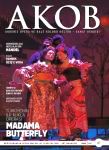
The story of Vauxhall Gardens in London and the marble statue of Handel there by the French sculptor Louis-François Roubiliac. The statue was erected while Handel was still alive and graced the Gardens for 80 years (in Turkish).
(Click on the cover to download PDF, 8 pages, 5MB)
AKOB, Akdeniz Opera ve Bale Kulübü Kültür-Sanat Dergisi, No. 66, March 2022, pp. 12-19.

The composer of the recent opera "The Phoenix," based on the amazing life story of Lorenzo Da Ponte talks about the opera, his music, his influences and his current projects (in English & Turkish).
(Click on the cover to download PDF, 9 pages, 0.4MB)
Sanattanyansimalar.com, February 2022.

J. S. Bach spent the month of November 1717 in a Weimar prison. His master Duke Wilhelm Ernst of Weimar was upset that the composer had accepted a job offer in Köthen without his permission. Bach was pardoned retroactively in 2008, in an attempt to clear the town's name (in Turkish).
(Click on the cover to download PDF, 7 pages, 0.5MB)
Atlas Tarih, No. 73, February-March, 2022, pp. 104-111.
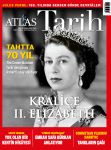
American child violin virtuoso Florizel Reuter played for the Ottoman Sultan Abdülhamid at the Yıldız Palace in İstanbul in 1904. The thirteen-year-old Wunderkind wrote up his vivid memories of this visit later in life (in Turkish).
(Click on the cover to download PDF, 8 pages (2 page format), 0.6MB)
AKOB, Akdeniz Opera ve Bale Kulübü Kültür-Sanat Dergisi, No. 64-65, January 2022, pp. 12-17.
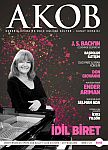
J. S. Bach spent the month of November 1717 in a Weimar prison. His master Duke Wilhelm Ernst of Weimar was upset that the composer had accepted a job offer in Köthen without his permission. Bach was pardoned retroactively in 2008, in an attempt to clear the town's name (in Turkish).
(Click on the cover to download PDF, 6 pages, 2.5MB)
Liszt Institute Hungarian Cultural Center, Istanbul: January 4, 2022 (50 min).
.
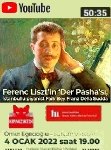
Video presentation on Faik Bey Franz Della Sudda, the only student of Franz Liszt from İstanbul. Liszt's pet name for Faik Bey was "Der Pasha" (in Turkish).
(Click on the thumbnail to watch)
(or watch it on YouTube )
Kırmızı Kedi Yayınevi, August 2021, ISBN: 978-6052988664 (376 pages).
Life and times of Faik Bey Franz Della Sudda, the only student of Franz Liszt from Istanbul. Faik Bey came from a distinguished family, and studied under Liszt in Weimar. Liszt's pet name for Faik Bey was "Der Pasha". Also includes scores of his solo piano compositions (in Turkish).
(Click on the cover for the link to the publisher's website)
AKOB, Akdeniz Opera ve Bale Kulübü Kültür-Sanat Dergisi, No. 62-63, August 2021, pp. 14-23.
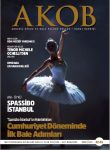 Mozart's
original Don Curzio and Basilio in the 1786 premiere of The Marriage of Figaro
was the 24 year old Irish tenor Michael O'Kelly. This is
on
Kelly's reminiscences and his affectionate
description of the
genius that was Mozart (in Turkish).
Mozart's
original Don Curzio and Basilio in the 1786 premiere of The Marriage of Figaro
was the 24 year old Irish tenor Michael O'Kelly. This is
on
Kelly's reminiscences and his affectionate
description of the
genius that was Mozart (in Turkish). (Click on the cover to download PDF, 11 pages, 7MB)
Sanattanyansimalar.com, August 2021.
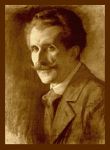
A brief introduction to the life and times of the only student of Franz Liszt from Istanbul, Faik Bey Franz Della Sudda (in Turkish).
(Click on the cover to download PDF, 17 pages, 7MB)
AKOB, Akdeniz Opera ve Bale Kulübü Kültür-Sanat Dergisi, No. 61, July 2021, pp. 16-21.
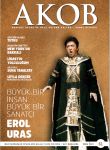
The amazing life story of Lorenzo Da Ponte (in Turkish).
(Click on the cover to download PDF, 7 pages, 0.8MB)
Musical Opinion Quarterly, No. 1528, July-September 2021, pp. 24-30.

The living, functioning antique piano collection of Patricia and Michael Frederick in the small town of Ashburnham, Massachusetts (in English).
(Click on the cover to download PDF, 8 pages, 1MB)
Sanattanyansimalar.com, June 2021.
The story of the amazing historical piano collection in Ashburnham, MA (in Turkish).
(Click on the cover to download PDF, 18 pages, 1MB)
Müzik Eğitimi Yayınları No.142, June 2021, ISBN: 978-6054957958 (246 pages).
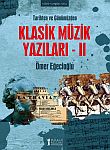
This book is the second of a series of collected articles on classical music, on topics past and present (in Turkish).
(Click on the cover for the link to the publisher's website)
AKOB, Akdeniz Opera ve Bale Kulübü Kültür-Sanat Dergisi, No. 60, April 2021, pp. 8-17.

An interview with Patricia and Michael Frederick about the story of their amazing historical piano collection in Ashburnham, MA (in English & Turkish).
(Click on the cover to download PDF, 10 pages, 0.7MB)
Sanattanyansimalar.com, March 2021.
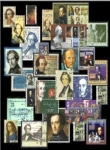
Felix Mendelssohn visited the Buckingham palace twice in the summer of 1842. In his first visit he performed on the piano for Queen Victoria and Prince Albert, and in the second visit he played the piano and the organ, and also accompanied Victoria in her living room - the Queen singing his sister Fanny's and his own songs (in Turkish).
(Click on the cover to download PDF, 6 pages, 3MB)
Sanattanyansimalar.com, February 2021.

An interview with the opera composer extraordinaire Daniel Catán made in 2010 in Santa Clarita, California, including some personal recollections (in Turkish).
(Click on the cover to download PDF, 8 pages, 7MB)
Sanattanyansimalar.com, January 2021.
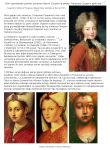
This article is on Couperin's Trio Sonata titled La Sultanne, which is from his mature period (in Turkish).
(Click on the cover to download PDF, 7 pages, 5.7MB)
Andante, No. 170, December 2020, pp. 30-44.

A short look at the nine symphonies of Beethoven on the occasion of the master's 250th birthday, celebrated as the "Beethoven Year" in 2020 (in Turkish).
(Click on the cover to download PDF, 10 pages, 0.7MB)
Sanattanyansimalar.com, December 2020.
The Ninth Symphony premiered in Ankara on April 18, 1942, soon after the premiere of Fidelio in February 13, 1942, both under the direction of Ernst Praetorius (in Turkish).
(Click on the cover to download PDF, 9 pages, 0.9MB)
Sanattanyansimalar.com, November 2020.

The preparations, artists and the circumstances of the premiere of the Ninth Symphony in Vienna on May 7, 1824 (in Turkish).
(Click on the cover to download PDF, 8 pages, 1.1MB)
Sanattanyansimalar.com, October 2020.
The first of a series of three essays on Beethoven's Ninth Symphony, detailing the composition of the work (in Turkish).
(Click on the cover to download PDF, 6 pages, 0.7MB)
AKOB, Akdeniz Opera ve Bale Kulübü Kültür-Sanat Dergisi, No. 56-57, August 2020, pp. 10-13.
 Gustav Holst had spent three months in Istanbul when the
city was occupied by the English in 1919. This piece for
the piano, “Constantinople,
Musique Turque, for the Pianoforte, composed by
Holst” happens to be not by him, as the metadata
states, but by his grandfather Matthias Holst, composed in
1820 (in Turkish).
Gustav Holst had spent three months in Istanbul when the
city was occupied by the English in 1919. This piece for
the piano, “Constantinople,
Musique Turque, for the Pianoforte, composed by
Holst” happens to be not by him, as the metadata
states, but by his grandfather Matthias Holst, composed in
1820 (in Turkish). (Click on the cover to download PDF, 4 pages, 2.9MB)
Müzik Eğitimi Yayınları No.129, July 2020, ISBN: 978-6054957828 (240 pages).

This book is the first of a series of collected articles on classical music, on topics past and present (in Turkish).
(Click on the cover for the link to the publisher's website)
AKOB, Akdeniz Opera ve Bale Kulübü Kültür-Sanat Dergisi, No. 55, February 2020, pp. 24-28.
 Lisbon's Teatro Nacional de São Carlos and the
development of opera in Portugal. The Teatro
was built after the devestating earthquake of 1755
destroyed town's Ópera do Tejo. It is the venue of
the famous Lisbon Traviata and Franz
Liszt's 1845 concerts (in Turkish).
Lisbon's Teatro Nacional de São Carlos and the
development of opera in Portugal. The Teatro
was built after the devestating earthquake of 1755
destroyed town's Ópera do Tejo. It is the venue of
the famous Lisbon Traviata and Franz
Liszt's 1845 concerts (in Turkish). (Click on the cover to download PDF, 6 pages, 0.6MB)
AKOB, Akdeniz Opera ve Bale Kulübü Kültür-Sanat Dergisi, No. 54, December 2019, pp. 12-19.
On the 1875 oratorio Le Déluge of Camille Saint-Saëns: its composition history, text, musical structure and original reception. The history of the "Flood" myth and its frequent usage as subject matter for other musical compositions are also discussed (in Turkish).
(Click on the cover to download PDF, 9 pages, 0.7MB)
AKOB, Akdeniz Opera ve Bale Kulübü Kültür-Sanat Dergisi, No. 53, September 2019, pp. 10-15.
 La
Fenice was constructed at the end of the 18th
century as the thousand year old Venetian Republic came to
an end. Many operas by Bellini, Donizetti, Rossini and
Verdi were premiered here. The building was destroyed by
two big fires, but each time bounced back and managed to
rise from its ashes (in Turkish).
La
Fenice was constructed at the end of the 18th
century as the thousand year old Venetian Republic came to
an end. Many operas by Bellini, Donizetti, Rossini and
Verdi were premiered here. The building was destroyed by
two big fires, but each time bounced back and managed to
rise from its ashes (in Turkish). (Click on the cover to download PDF, 7 pages, 0.7MB)
Toplumsal Tarih, No. 309, September 2019, pp. 70-75.
Cécile Chaminade was extremely popular during 1880-1910 as a composer and a pianist. In early 20th century there were over 200 Chaminade Clubs empowering women. She played for the Ottoman Sultan Abdülhamid II in the Yıldız palace in 1901. We luckily have a detailed description of this recital (in Turkish).
(Click on the cover to download PDF, 6 pages, 6.5 MB)
AKOB, Akdeniz Opera ve Bale Kulübü Kültür-Sanat Dergisi, No. 51-2, August 2019, pp. 8-13.

The stunning Harpa concert hall in Reykjavik, Iceland was inaugurated in 2011. Harpa has become a symbol of the recovery of this small but culturally active country from the financial crisis of 2008 (in Turkish).
(Click on the cover to download PDF, 7 pages, 0.7MB)
AKOB, Akdeniz Opera ve Bale Kulübü Kültür-Sanat Dergisi, No. 50, February 2019, pp. 8-13.

On two historical theaters in the Veneto region of Italy: Padua’s Teatro Verdi and Venice’s famous Teatro Goldoni (in Turkish).
(Click on the cover to download PDF, 7 pages, 0.7MB)
AKOB, Akdeniz Opera ve Bale Kulübü Kültür-Sanat Dergisi, No. 49, December 2018, pp. 6-11.
 Teatro Stabile del Veneto is the
resident civic theater organization ofthe Veneto
region in Italy. Its aim is to promote the traditional
arts with theater,music and dance productions in
Padua’s Teatro Verdi and Venice’s famous Teatro
Goldoni. I talked with its director Massimo Ongaro on
July 16,2018 in his office in Padua’s Teatro Verdi (in English & Turkish).
Teatro Stabile del Veneto is the
resident civic theater organization ofthe Veneto
region in Italy. Its aim is to promote the traditional
arts with theater,music and dance productions in
Padua’s Teatro Verdi and Venice’s famous Teatro
Goldoni. I talked with its director Massimo Ongaro on
July 16,2018 in his office in Padua’s Teatro Verdi (in English & Turkish). (Click on the cover to download PDF, 7 pages, 0.5MB)
AKOB, Akdeniz Opera ve Bale Kulübü Kültür-Sanat Dergisi, No. 47-48, September 2018, pp. 6-10.
 The 96th Verona
Opera Festival took place June through August of 2018. The
main productions this year were Carmen, Nabucco, Aida, Turandot, and The Barber of Seville.
Zeffirelli's magnificent Aida was shown on 16 evenings in the
famous Roman arena of the city (in Turkish).
The 96th Verona
Opera Festival took place June through August of 2018. The
main productions this year were Carmen, Nabucco, Aida, Turandot, and The Barber of Seville.
Zeffirelli's magnificent Aida was shown on 16 evenings in the
famous Roman arena of the city (in Turkish). (Click on the cover to download PDF, 6 pages, 1MB)
AKOB, Akdeniz Opera ve Bale Kulübü Kültür-Sanat Dergisi, No. 46, June 2018, pp. 10-16.
 On the 100.
anniversary of the birth of Leonard Bernstein and the 62
years since the first Candide
production. This year and the next will see about 2500
productions of Bernstein's work and related events in
tribute. This article is on this giant musician who defies
classification and the LA opera production of Candide (in Turkish).
On the 100.
anniversary of the birth of Leonard Bernstein and the 62
years since the first Candide
production. This year and the next will see about 2500
productions of Bernstein's work and related events in
tribute. This article is on this giant musician who defies
classification and the LA opera production of Candide (in Turkish). (Click on the cover to download PDF, 8 pages, 5.4MB)
AKOB, Akdeniz Opera ve Bale Kulübü Kültür-Sanat Dergisi, No. 43, December 2017, pp. 6-12.
 Composer Jake
Heggie and librettist Gene Scheer's operatic adaptation of
"It's a Wonderful Life" was given its world premiere on
December 2, 2016 by Houston Grand Opera. Here the action
is seen from the perspective of an angel named Clara, an
ever present witness to the events in George Bailey’s life
which brought him to the point of suicide (in English & Turkish).
Composer Jake
Heggie and librettist Gene Scheer's operatic adaptation of
"It's a Wonderful Life" was given its world premiere on
December 2, 2016 by Houston Grand Opera. Here the action
is seen from the perspective of an angel named Clara, an
ever present witness to the events in George Bailey’s life
which brought him to the point of suicide (in English & Turkish). (Click on the cover to download PDF, 8 pages, 1MB)
AKOB, Akdeniz Opera ve Bale Kulübü Kültür-Sanat Dergisi, No. 41-42, November 2017, pp. 10-16.
 One time city of
the rubber barons Manaus is also known as "Paris of the
Tropics" and "Amazon's Hong Kong". In its heyday, this
town in the middle of the Amazon rainforest was extremely
wealthy and built an amazing opera house "Teatro
Amazonas", modeled after the Paris opera house (in Turkish).
One time city of
the rubber barons Manaus is also known as "Paris of the
Tropics" and "Amazon's Hong Kong". In its heyday, this
town in the middle of the Amazon rainforest was extremely
wealthy and built an amazing opera house "Teatro
Amazonas", modeled after the Paris opera house (in Turkish). (Click on the cover to download PDF, 8 pages, 1MB)
Türkiye'de
Seslendirilen ilk Alman Operası (The First German Opera
in Turkey)
Opera
& Bale Dergisi, No. 10,
July 2017, pp. 27-34.
 The history of the
first German opera that was presented in Turkey. This was
during the war in 1916, in the "Teutonia" hall in
Ottoman Istanbul. The opera was "Der Evangelimann" by Wilhelm Kienzl, which had premiered
in Berlin on 4 May 1895; once an immensely popular work, now
pretty much forgotten. Tenor Erik Schmedes sang Mathias in
the Istanbul production (in Turkish).
The history of the
first German opera that was presented in Turkey. This was
during the war in 1916, in the "Teutonia" hall in
Ottoman Istanbul. The opera was "Der Evangelimann" by Wilhelm Kienzl, which had premiered
in Berlin on 4 May 1895; once an immensely popular work, now
pretty much forgotten. Tenor Erik Schmedes sang Mathias in
the Istanbul production (in Turkish).
(Click on the cover to download PDF, 9 pages, 1MB)
AKOB, Akdeniz Opera ve Bale Kulübü Kültür-Sanat Dergisi, No. 40, June 2017, pp. 6-12.
 Domenico Freschi’s
(1634-1710) extravagant 1680 opera Berenice Vendicativa
is one of the first to make use of “Turkish” elements.
Freschi also composed an opera on the exploits of Gnaeus
Pompeius Magnus against the pirates of Cilicia. The
antique town of Pompeiopolis (present day
Viranşehir/Mezitli near Mersin) bears the general’s name.
The town where Pompeo
Magno in Cilicia takes place is Selinus/Selinunte
of Cilicia, which today is Gazipaşa near Alanya on the
Mediterranean coast of Turkey (in Turkish).
Domenico Freschi’s
(1634-1710) extravagant 1680 opera Berenice Vendicativa
is one of the first to make use of “Turkish” elements.
Freschi also composed an opera on the exploits of Gnaeus
Pompeius Magnus against the pirates of Cilicia. The
antique town of Pompeiopolis (present day
Viranşehir/Mezitli near Mersin) bears the general’s name.
The town where Pompeo
Magno in Cilicia takes place is Selinus/Selinunte
of Cilicia, which today is Gazipaşa near Alanya on the
Mediterranean coast of Turkey (in Turkish). (Click on the cover to download PDF, 8 pages, 6.5MB)
Maestro John Neschling ile bir Söyleşi (An Interview with Maestro
John Neschling)
AKOB,
Akdeniz Opera ve Bale Kulübü Kültür-Sanat
Dergisi, No. 39, April 2017, pp. 26-40.
 Maestro
Neschling has been the Artistic and Music Director of
the Municipal Symphony Orchestra of São
Paulo, 2013-2016. Before that, he had
breathed life into the São Paulo State Symphony
Orchestra (Orquestra Sinfônica do Estado de São Paulo
or, OSESP for
short), turning it into a world-class phenomenon in a
decade (in English
& Turkish).
Maestro
Neschling has been the Artistic and Music Director of
the Municipal Symphony Orchestra of São
Paulo, 2013-2016. Before that, he had
breathed life into the São Paulo State Symphony
Orchestra (Orquestra Sinfônica do Estado de São Paulo
or, OSESP for
short), turning it into a world-class phenomenon in a
decade (in English
& Turkish).
(Click on the cover to
download PDF, 16 pages,
2MB)
Sanat Dünyamız, No. 157, March-April 2017, pp. 98-106.

27 year old Jascha Heifetz gave two recitals in Istanbul with his accompanist Isidor Achron. These took place on October 31 and November 3, 1928. Fortunately the programs of both events exist. The venue was the French Theater in Pera. The recitals were part of Heifetz's European tour right after his marriage to Florence Vidor (in Turkish).
(Click on the cover to download PDF, 10 pages, 11.5MB)
1928'de İstanbul 'da bitirilmiş bir eser: Jascha Heifetz'in
Rameau'dan yaptığı Rigaudon uyarlaması (The Heifetz arrangement of
Rameau's Rigaudon, completed in İstanbul in 1928)
OPUS
Klasik Müzik
Dergisi, No. 27, December
2016, pp. 56-62.
The history and an analysis of Jascha Heifetz's violin-piano arrangement of Jean-Philippe Rameau's Rigaudon from Dardanus. Heifetz finished this work on October 31, 1928 in Istanbul (in Turkish).
(Click on the cover to download PDF, 8 pages, 8.5MB)
AKOB, Akdeniz Opera ve Bale Kulübü Kültür-Sanat Dergisi, No. 38, February 2017, pp. 22-28.

The architecture, decorations, and the history of "Theatro Municipal de São Paulo," starting with the Coffee Barons of São Paulo (in Turkish).
(Click on the cover to download PDF, 8 pages, 1MB)
Opera & Bale Dergisi, No. 8, January 2017, pp. 12-19.

Part II of a compendium of the operas of Camille Saint-Saëns, whose best known opera today is undoubtedly Samson and Delilah. Part II covers the operas Ascanio, Phryné, Les Barbares, Hélène, L’Ancêtre and Déjanire (in Turkish).
(Click on the cover to download PDF, 9 pages, 1.5MB)
Musical Times, Winter 2016, pp. 105-110.

Jascha Heifetz's violin-piano arrangement of Jean-Philippe Rameau's Rigaudon is widely cited as based on one of the harpsicord pieces from Pièces de Clavecin. The arrangement is actually based on a tune from the original 1739 version of Rameau's opera Dardanus (in English).
(Click on the cover to download PDF, 8 pages, 3.8MB)
Opera & Bale Dergisi, No. 7, November 2016, pp. 8-15.

Part I of a compendium of the operas of Camille Saint-Saëns, whose best known opera today is undoubtedly Samson and Delilah. Part I covers the operas La Princesse Jaune, Le Timbre d’Argent, Samson & Delilah, Étienne Marcel, Henry VIII, and Proserpine (in Turkish).
(Click on the cover to download PDF, 9 pages, 1MB)
AKOB, Akdeniz Opera ve Bale Kulübü Kültür-Sanat Dergisi, No. 36-37, October 2016, pp. 10-12.
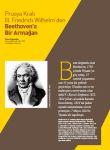 Beethoven dedicated his 9th (Choral)
Symphony to Friedrich Wilhelm III, the King of Prussia.
The king was a supporter of arts and an admirer of the
composer. Beethoven's wish to obtain a decoration was
dashed however when the King decided to send a
"Brilliant-Ring" instead as a token of his appreciation.
What arrived turned out to be a cheap ruby (in Turkish).
Beethoven dedicated his 9th (Choral)
Symphony to Friedrich Wilhelm III, the King of Prussia.
The king was a supporter of arts and an admirer of the
composer. Beethoven's wish to obtain a decoration was
dashed however when the King decided to send a
"Brilliant-Ring" instead as a token of his appreciation.
What arrived turned out to be a cheap ruby (in Turkish). (Click on the cover to download PDF, 4 pages, 1.7MB)
Antik Çağdan XXI. Yüzyıla Büyük İstanbul Tarihi, (10 Volumes) Vol. 7, 2016, pp. 62-65.

A short introduction to the emergence of elements of Western music in Ottoman Istanbul: first operas, visiting European artists, establishment of music institutions, music in the Ottoman palace, music masters from Istanbul, Istanbul as a theme in music (in Turkish).
(Click on the cover to download PDF, 6 pages, 0.5MB)
Jake Heggie ile bir
Sohbet (A Chat with Jake Heggie)
AKOB,
Akdeniz Opera ve Bale Kulübü Kültür-Sanat
Dergisi, No. 35, April 2016, pp. 6-15.
 Jake Heggie is the composer of some of the
most successful operas of the recent times. The creator of
Dead Man Walking,
Three Decembers, The Radio Hour, Moby-Dick and Great Scott
talks about his work and his way of composing (in English & Turkish).
Jake Heggie is the composer of some of the
most successful operas of the recent times. The creator of
Dead Man Walking,
Three Decembers, The Radio Hour, Moby-Dick and Great Scott
talks about his work and his way of composing (in English & Turkish). (Click on the cover to download PDF, 10 pages, 3MB)
AKOB, Akdeniz Opera ve Bale Kulübü Kültür-Sanat Dergisi, No. 34, February 2016, pp. 11-16.
 An interview with
soprano Angela Meade conducted in December 2015. The
immensely successful young soprano had just appeared in
one of her trademark roles as Norma in Los Angeles. Her
career is a continuing success story with leading roles in
one monumental opera after another (in English & Turkish)
An interview with
soprano Angela Meade conducted in December 2015. The
immensely successful young soprano had just appeared in
one of her trademark roles as Norma in Los Angeles. Her
career is a continuing success story with leading roles in
one monumental opera after another (in English & Turkish) (Click on the cover to download PDF, 7 pages, 2MB)
Moby-Dick Operası (The Opera Moby-Dick)
AKOB,
Akdeniz Opera ve Bale Kulübü Kültür-Sanat
Dergisi, No. 33, December 2015, pp. 12-15.
 "Call me Ishmael.
Some years ago - never mind how long precisely - having
little or no money in my purse, and nothing particular to
interest me on shore, I thought I would sail about a
little and see the watery part of the world." Composer
Jake Heggie and librettist Gene Sheer's opera adaptation
of Hermann Melville's classic novel Moby-Dick saw its Los
Angeles Opera company premiere in October 2015 (in Turkish).
"Call me Ishmael.
Some years ago - never mind how long precisely - having
little or no money in my purse, and nothing particular to
interest me on shore, I thought I would sail about a
little and see the watery part of the world." Composer
Jake Heggie and librettist Gene Sheer's opera adaptation
of Hermann Melville's classic novel Moby-Dick saw its Los
Angeles Opera company premiere in October 2015 (in Turkish). (Click on the cover to download PDF, 7 pages, 1MB)
Primo
Uomo, Sistine Şapeli ve Sopranist Mustafa, 2.
Bölüm (Primo Uomo, Sistine Chapel and Sopranist Mustafa,
Part 2)
AKOB,
Akdeniz Opera ve Bale Kulübü Kültür-Sanat
Dergisi, No. 32, September 2015, pp. 12-21.
 Part 2 of a two
part study on the heyday of castrati, the Sistine Chapel,
and its director for many years, Domenico Mustafà (the Turk) (1829-1912). The second
part is on the life and music of Mustafà, his "fourth voice" and the memoirs of
the Belle Époque soprano Emma Calvé (in Turkish).
Part 2 of a two
part study on the heyday of castrati, the Sistine Chapel,
and its director for many years, Domenico Mustafà (the Turk) (1829-1912). The second
part is on the life and music of Mustafà, his "fourth voice" and the memoirs of
the Belle Époque soprano Emma Calvé (in Turkish). (Click on the cover to download PDF, 11 pages, 11MB)
Primo
Uomo, Sistine Şapeli ve Sopranist
Mustafa, 1. Bölüm (Primo Uomo, Sistine Chapel
and Sopranist Mustafa, Part 1)
AKOB,
Akdeniz Opera ve Bale Kulübü Kültür-Sanat
Dergisi, No. 31, July 2015, pp. 8-15.
 Part 1 of a two
part study on the heyday of castrati, the Sistine Chapel,
and its director for many years, Domenico Mustafà (the Turk) (1829-1912). The first
part deals with the age of Primo Uomo, before the rise of
the Prima Donnas and covers their history and the
involvement of the Vatican (in Turkish).
Part 1 of a two
part study on the heyday of castrati, the Sistine Chapel,
and its director for many years, Domenico Mustafà (the Turk) (1829-1912). The first
part deals with the age of Primo Uomo, before the rise of
the Prima Donnas and covers their history and the
involvement of the Vatican (in Turkish). (Click on the cover to download PDF, 9 pages, 10MB)
Çikolata
ile Ölüm: Leonardo Vinci ve Günümüze Ulaşan 36
Operası (Death by Chocolate: Leonardo Vinci and the 36
Operas he left behind)
AKOB,
Akdeniz Opera ve Bale Kulübü Kültür-Sanat
Dergisi, No. 30, May 2015, pp. 6-12.
 Leonardo Vinci
(1696-1730) was a Neapolitan composer of some note who
composed close to fifty operas during his short life. 36
of these survive to this day, the most notable being Artaserse.
A gambler and a lothario, he was mortal enemies with
Nicola Porpora. Leonardo was poisoned with a cup of hot
chocolate - he was bragging too much about his sexual
conquests (in Turkish).
Leonardo Vinci
(1696-1730) was a Neapolitan composer of some note who
composed close to fifty operas during his short life. 36
of these survive to this day, the most notable being Artaserse.
A gambler and a lothario, he was mortal enemies with
Nicola Porpora. Leonardo was poisoned with a cup of hot
chocolate - he was bragging too much about his sexual
conquests (in Turkish). (Click on the cover to download PDF, 9 pages, 7.5MB)
Artur Schnabel's little-known
recitals in İstanbul
Musical
Opinion Quarterly,
No. 1503, April-June 2015, pp. 57-60.

Master Beethoven interpreter Artur Schnabel visited the Queen of Cities Istanbul in 1931 and gave two enthusiastically received recitals there. The reviews of the performances were by the famed Orientalist and able musician Hellmut Ritter, and these appeared in the local press. Complete programs of the master's recitals are also available (in English).
(Click on the cover to download PDF, 5 pages, 9MB)
Beethoven'ın
Dokuzuncu Senfonisinin Viyana prömiyeri ve Türkiye'de
ilk seslendirilişi (Vienna premiere of Beethoven's Ninth
Symphony and its first performance in Turkey)
OPUS
Klasik Müzik
Dergisi, No. 15, February
2015, pp. 78-84.
 The premiere of the
Ninth Symphony was in Vienna on May 7, 1824. Main English
language accounts of this performance are based
on an article in The
Harmonicon magazine and the young contralto
Karoline Unger's memories of the event. The first
performance in Turkey was in Ankara on April 18,
1942, right after the premiere of Fidelio there in
February of that year (in
Turkish).
The premiere of the
Ninth Symphony was in Vienna on May 7, 1824. Main English
language accounts of this performance are based
on an article in The
Harmonicon magazine and the young contralto
Karoline Unger's memories of the event. The first
performance in Turkey was in Ankara on April 18,
1942, right after the premiere of Fidelio there in
February of that year (in
Turkish).
(Click on the cover to download PDF, 7 pages, 5.5MB)
"Tesadüfi
Diva" Şilili Soprano Verónica Villarroel
("Accidental Diva" the Chilean Soprano Verónica
Villarroel)
AKOB,
Akdeniz Opera ve Bale Kulübü Kültür-Sanat
Dergisi, No. 29, January 2015, pp. 6-13.
 Known as the “The
Accidental Diva,” Chilean-born soprano Verónica
Villarroel’s rise to fame is a kind of a Cinderella story;
she was discovered by Renata Scotto in Santiago,
singing Musetta in La
Bohème in spite of “not knowing how to read music
and not having taken a single voice lesson.” She has since
become one of the most prominent sopranos of our time. I
interviewed Ms. Villarroel in Los Angeles after her
performance as Florencia in Daniel Catán’s Florencia en el Amazonas
in November 2014 (in English
& Turkish).
Known as the “The
Accidental Diva,” Chilean-born soprano Verónica
Villarroel’s rise to fame is a kind of a Cinderella story;
she was discovered by Renata Scotto in Santiago,
singing Musetta in La
Bohème in spite of “not knowing how to read music
and not having taken a single voice lesson.” She has since
become one of the most prominent sopranos of our time. I
interviewed Ms. Villarroel in Los Angeles after her
performance as Florencia in Daniel Catán’s Florencia en el Amazonas
in November 2014 (in English
& Turkish). (Click on the cover to download PDF, 9 pages, 7.5MB)
Eski
İstanbul’da Parsifal’dan seçmeler (Selections from
Parsifal in old İstanbul)
OPUS
Klasik Müzik
Dergisi, No. 14, December
2014, pp. 62-66.
 Wagner's last opera Parsifal
premiered in Bayreuth in 1882. He wished it to be
staged exclusively there, so the European countries
had to wait until the beginning of 1913 for their
turn. The MET in New York staged it in
1903, as the USA did not recognize the copyright
treaty of Bern at that time. Parts of the opera was performed
in Istanbul in 1899, 1904 and 1905 in various venues
including Le
Syllogue littéraire grec de Constantinople and the Teutonia hall
(in Turkish).
Wagner's last opera Parsifal
premiered in Bayreuth in 1882. He wished it to be
staged exclusively there, so the European countries
had to wait until the beginning of 1913 for their
turn. The MET in New York staged it in
1903, as the USA did not recognize the copyright
treaty of Bern at that time. Parts of the opera was performed
in Istanbul in 1899, 1904 and 1905 in various venues
including Le
Syllogue littéraire grec de Constantinople and the Teutonia hall
(in Turkish). (Click on the cover to download PDF, 6 pages, 4.6MB)
Daniel
Catán'ın Sihirli Operası Florencia en el Amazonas (Daniel
Catán's Magical Opera Florencia en el Amazonas)
AKOB,
Akdeniz Opera ve Bale Kulübü Kültür-Sanat
Dergisi, No. 28, February 2015, pp. 14-21.
 1997 Los Angeles Opera
production of Daniel Catán's Florencia en el Amazonas was revived
for the 2014-15 season, starring Verónica
Villarroel (Florencia), José Carbó (Riolobo), Lisette
Oropesa (Rosalba), Arturo Chacón-Cruz (Arcadio), Nancy
Fabiola Herrera (Paula), Gordon Hawkins (Alvaro) and
David Pittsinger (Captain). This is the story of how
this opera came into being and how magical realism
gave impetus to Catán's masterful work (in Turkish).
1997 Los Angeles Opera
production of Daniel Catán's Florencia en el Amazonas was revived
for the 2014-15 season, starring Verónica
Villarroel (Florencia), José Carbó (Riolobo), Lisette
Oropesa (Rosalba), Arturo Chacón-Cruz (Arcadio), Nancy
Fabiola Herrera (Paula), Gordon Hawkins (Alvaro) and
David Pittsinger (Captain). This is the story of how
this opera came into being and how magical realism
gave impetus to Catán's masterful work (in Turkish). (Click on the cover to download PDF, 9 pages, 9.5MB)
Türkiye'de
Seslendirilen ilk Alman Operası (The First German Opera
in Turkey)
AKOB,
Akdeniz Opera ve Bale Kulübü Kültür-Sanat
Dergisi, No. 27, December 2014, pp. 8-15.
 The history of the
first German opera that was presented in Turkey. This was
during the war in 1916, in the "Teutonia" hall in
Ottoman Istanbul. The opera was "Der Evangelimann" by Wilhelm Kienzl, which had premiered
in Berlin on 4 May 1895; once an immensely popular work, now
pretty much forgotten. Tenor Erik Schmedes sang Mathias in
the Istanbul production (in Turkish).
The history of the
first German opera that was presented in Turkey. This was
during the war in 1916, in the "Teutonia" hall in
Ottoman Istanbul. The opera was "Der Evangelimann" by Wilhelm Kienzl, which had premiered
in Berlin on 4 May 1895; once an immensely popular work, now
pretty much forgotten. Tenor Erik Schmedes sang Mathias in
the Istanbul production (in Turkish).
(Click on the cover to download PDF, 9 pages, 9.6MB)
Beethoven
Ustası Artur Schnabel'in İstanbul Resitalleri (Master
Beethoven Interpreter Artur Schnabel's İstanbul
Recitals)
Sanat Dünyamız, No. 141,
July-August 2014, pp. 74-83.
 Artur Schnabel
visited Istanbul in 1931 and gave two solo recitals there.
These were received quite enthusiastically. The
reviews of the performances were by the famed
Orientalist and able musician Hellmut Ritter, and these
appeared in the local press. Ritter also provided
complete programs of the master's recitals (in Turkish).
Artur Schnabel
visited Istanbul in 1931 and gave two solo recitals there.
These were received quite enthusiastically. The
reviews of the performances were by the famed
Orientalist and able musician Hellmut Ritter, and these
appeared in the local press. Ritter also provided
complete programs of the master's recitals (in Turkish).
(Click on the cover to download PDF, 11 pages, 6.7MB)
Zaman
İçinde bir Yolculuk: Drottningholm Saray Tiyatrosu (A
Trip in Time: Drottningholm Court Theater)
AKOB,
Akdeniz Opera ve Bale Kulübü Kültür-Sanat
Dergisi, No. 25, July 2014, pp. 6-11.
 On the living
history of the Drottningholm Court Theater near Stockholm,
on the grounds of the Drottningholm Swedish Royal Palace.
This theater was built in the second half of the 17th
century, rebuilt after a fire in the 18th century, and
then fell into disuse and was neglected until its
'redicovery' at the beginning of the 20th century (in Turkish).
On the living
history of the Drottningholm Court Theater near Stockholm,
on the grounds of the Drottningholm Swedish Royal Palace.
This theater was built in the second half of the 17th
century, rebuilt after a fire in the 18th century, and
then fell into disuse and was neglected until its
'redicovery' at the beginning of the 20th century (in Turkish).
(Click on the cover to download PDF, 7 pages, 6.7MB)
Maeştri
ai muzicii româneşti: Un catalog străin de la începutul
secolului XX (Romanian music masters: an outsider’s
catalogue of early 20th century)
Curtea de
la Argeş, Revistă de cultură, No. 6
(43), June 2014, pp. 9,11.
 A summary of the principal
scholars of Romanian music as seen by the Turkish
musicologist Mahmut Ragıp Gazimihal. From a book on the
music of the Balkans by Gazimihal published in 1937 (in Romanian, translated by Prof. G. Păun. The English version can be accessed here).
A summary of the principal
scholars of Romanian music as seen by the Turkish
musicologist Mahmut Ragıp Gazimihal. From a book on the
music of the Balkans by Gazimihal published in 1937 (in Romanian, translated by Prof. G. Păun. The English version can be accessed here).
(Click on the cover to download PDF, 3 pages, 0.5MB)
Norveç
Ulusal Operası Yönetmeni: Per Boye Hansen (Norwegian
National Opera's Director: Per Boye Hansen)
AKOB,
Akdeniz Opera ve Bale Kulübü Kültür-Sanat
Dergisi, No. 24, April 2014, pp. 12-17.

Per Boye Hansen was appointed the new director of the Norwegian National Opera (Den Norske Opera) by the unanimous decision of the Board of Directors out of an applicant pool of over 60. He took over this position in 2012. I talked to him in his modest office in the fantastic new opera house in Oslo (in English & Turkish).
(Click on the cover to download PDF, 7 pages, 5.3MB)
Birkaç
Hedefi Şaşmış Müzik Eleştirisi (A Few Misguided Music
Criticisms)
OPUS
Klasik Müzik
Dergisi, No. 9, April
2014, pp. 60-62.
 Examples of a few
jewels of disparaging music criticisms by well-known music
critics such as Hanslick on classical works dearly loved
today. These include the Tchaikovsky violin concerto,
Bizet's Carmen, and Liszt's second piano concerto. Also, a
few words about the famous poet Heine, who was not beneath
asking for money for endorsements in his musical musings (in Turkish).
Examples of a few
jewels of disparaging music criticisms by well-known music
critics such as Hanslick on classical works dearly loved
today. These include the Tchaikovsky violin concerto,
Bizet's Carmen, and Liszt's second piano concerto. Also, a
few words about the famous poet Heine, who was not beneath
asking for money for endorsements in his musical musings (in Turkish).
(Click on the cover to download PDF, 3 pages, 4.2MB)
İsveç
Bülbülleri: Jenny Lind ve Christina Nilsson: II. Bölüm
(Swedish Nightingales: Jenny Lind and Christina Nilsson.
Part II: Christina Nilsson)
AKOB,
Akdeniz Opera ve Bale Kulübü Kültür-Sanat
Dergisi, No. 23, February 2014, pp. 14-21.
 Two of the greatest
sopranos of the 19th century were Swedish: Jenny Lind
(1820-1887) and Christina Nilsson (1843-1921). They were
known as the Swedish
Nightingales. In 2011, I had the opportunity to
visit the birthplace of Nilsson in Sweden and followed in
the footsteps of her fairytale rise to fame and eventual
retirement near her birthplace. The second part of
this 2-part series is on Christina Nilsson (in Turkish).
Two of the greatest
sopranos of the 19th century were Swedish: Jenny Lind
(1820-1887) and Christina Nilsson (1843-1921). They were
known as the Swedish
Nightingales. In 2011, I had the opportunity to
visit the birthplace of Nilsson in Sweden and followed in
the footsteps of her fairytale rise to fame and eventual
retirement near her birthplace. The second part of
this 2-part series is on Christina Nilsson (in Turkish).
(Click on the cover to download PDF, 9 pages, 12.2MB)
Franz
Liszt: Traveling virtuoso 1840-47.
Streaming video
 During the years
1840-47, Liszt concertized all over Europe. In addition to
a large number of concerts in Austria, Germany, Holland,
Switzerland and Hungary, he made two tours of England,
played in Ireland, France, Spain, Portugal, a number of
cities in Bohemia, Riga, St. Petersburg, Kiev, Moscow,
Bucharest and Ottoman Constantinople. He ended his career
as a performance artist with his last concerts in
Elisabethgrad in the summer of 1847. This video is an
animated catalogue of the dates and the places of Liszt's
performances of this time.
During the years
1840-47, Liszt concertized all over Europe. In addition to
a large number of concerts in Austria, Germany, Holland,
Switzerland and Hungary, he made two tours of England,
played in Ireland, France, Spain, Portugal, a number of
cities in Bohemia, Riga, St. Petersburg, Kiev, Moscow,
Bucharest and Ottoman Constantinople. He ended his career
as a performance artist with his last concerts in
Elisabethgrad in the summer of 1847. This video is an
animated catalogue of the dates and the places of Liszt's
performances of this time. (Click on the cover to go to the streaming video, 10:47 minutes. The bibliography can be found here. )
İsveç
Bülbülleri: Jenny Lind ve Christina Nilsson: I. Bölüm
(Swedish Nightingales: Jenny Lind and Christina Nilsson.
Part I: Jenny Lind)
AKOB,
Akdeniz Opera ve Bale Kulübü Kültür-Sanat
Dergisi, No. 22, December 2013, pp. 36-41.
 Not one, but two of
the greatest sopranos of the 19th century were Swedish:
Jenny Lind (1820-1887) and Christina Nilsson (1843-1921). First
Lind, and then Nilsson was known as the Swedish Nightingale.
The first part of this 2-part series is on Jenny Lind (in
Turkish).
Not one, but two of
the greatest sopranos of the 19th century were Swedish:
Jenny Lind (1820-1887) and Christina Nilsson (1843-1921). First
Lind, and then Nilsson was known as the Swedish Nightingale.
The first part of this 2-part series is on Jenny Lind (in
Turkish).
(Click on the cover to download PDF, 7 pages, 9.8MB)
Zeynep
Altar ile bir Söyleşi (An interview with Zeynep Altar)
AKOB,
Akdeniz Opera ve Bale Kulübü Kültür-Sanat
Dergisi, No. 21 (Special Republic Commemorative
Edition), October 2013, pp. 6-11.
 Zeynep Altar (b.
1909) is a student of a student of Franz Liszt, F. Della
Sudda. Alongside her husband, the cultural icon, scholar,
educator Cevat Memduh Altar (1902-1995), she has been a
pillar of art in the cultural circles in Turkey, starting
in the early days of the Turkish Republic. This in depth
interview was conducted at her house in Göztepe, İstanbul
in the summer of 2011, at which time she was well over 101
years of age. Zeynep Altar can be heard playing playing
Franz Liszt, Consolation No. 3 here.
At the time of this amazing video recording, she was 101
years old (in Turkish).
Zeynep Altar (b.
1909) is a student of a student of Franz Liszt, F. Della
Sudda. Alongside her husband, the cultural icon, scholar,
educator Cevat Memduh Altar (1902-1995), she has been a
pillar of art in the cultural circles in Turkey, starting
in the early days of the Turkish Republic. This in depth
interview was conducted at her house in Göztepe, İstanbul
in the summer of 2011, at which time she was well over 101
years of age. Zeynep Altar can be heard playing playing
Franz Liszt, Consolation No. 3 here.
At the time of this amazing video recording, she was 101
years old (in Turkish).
(Click on the cover to download PDF, 7 pages, 6.3MB)
Fiyorttaki
Alımlı Buzdağı: Yeni Oslo Opera Evi (The Iceberg on the
Fjord: The New Oslo Opera House.)
AKOB,
Akdeniz Opera ve Bale Kulübü Kültür-Sanat
Dergisi, No. 19/20, September 2013, pp. 8-15.
 On the new Opera
House of the city of Oslo which was inaugurated in 2008. This "Iceberg on
the Fjord" has a stunning architecture and reflects the
tremendous investment of Norway to the arts and culture:
opera, ballet, orchestral music, children's and
avant-garde events (in Turkish).
On the new Opera
House of the city of Oslo which was inaugurated in 2008. This "Iceberg on
the Fjord" has a stunning architecture and reflects the
tremendous investment of Norway to the arts and culture:
opera, ballet, orchestral music, children's and
avant-garde events (in Turkish).
(Click on the cover to download PDF, 8 pages, 9MB)
Yaşayan
Efsane Sequeira Costa, Liszt'in Son Öğrencisinin
Son Öğrencisi (Living Legend Sequeira
Costa, Last Pupil of Liszt's Last Pupil)
AKOB,
Akdeniz Opera ve Bale Kulübü Kültür-Sanat
Dergisi, No. 18, May 2013, special supplement.
 Translation for an
AKOB special supplement on the last pupil of Liszt's last
pupil, the legendary pianist, gentle genious Sequeira
Costa, eminent Portuguese performer and teacher. Including
"A Lifetime Achievement, Sequeira Costa Records the
Beethoven 32 Sonatas" by Bill Newman, with a detailed
discussion of all 32 Beethoven piano sonatas (in English & Turkish).
Translation for an
AKOB special supplement on the last pupil of Liszt's last
pupil, the legendary pianist, gentle genious Sequeira
Costa, eminent Portuguese performer and teacher. Including
"A Lifetime Achievement, Sequeira Costa Records the
Beethoven 32 Sonatas" by Bill Newman, with a detailed
discussion of all 32 Beethoven piano sonatas (in English & Turkish).
(Click on the cover to download PDF, 44 pages, 32MB)
Kraliçe
Victoria’nın bir Saatlik Eşlikçisi; Felix Mendelssohn
Buckingham Sarayı’nda (Queen Victoria’s Accompanist for
an Hour; Felix Mendelsshon in the Buckingham Palace)
AKOB,
Akdeniz Opera ve Bale Kulübü Kültür-Sanat
Dergisi, No. 17, February 2013, pp. 40-44.
 Felix Mendelssohn
visited the Buckingham palace twice in the summer of
1842. In his first visit he performed on the piano for
Queen Victoria and Prince Albert, and in the second visit
he played the piano and the organ, and also accompanied
Victoria in her living room - the Queen singing his sister
Fanny's and his own songs (in Turkish).
Felix Mendelssohn
visited the Buckingham palace twice in the summer of
1842. In his first visit he performed on the piano for
Queen Victoria and Prince Albert, and in the second visit
he played the piano and the organ, and also accompanied
Victoria in her living room - the Queen singing his sister
Fanny's and his own songs (in Turkish).(Click on the cover to download PDF, 6 pages, 6.3MB)
Beethoven’in
Türk Tattoo’ları (Beethoven's Turkish Tattoos
“Zapfenstreiche für Türkische Musik”)
OPUS Klasik Müzik
Dergisi, No. 8, January
2013, pp. 56-59.

Among Beethoven's output we find six marches for military band. Of the six, three are labeled as "Tattoos," or as Beethoven refers to them in his letter to publisher Carl Friedrich Peters in Leipzig "Zapfenstreiche für Türkische Musik”. These three are F major (WoO 18), F major (WoO 19) and C major (WoO 20). (in Turkish).
(Click on the cover to download PDF, 5 pages, 7.6MB)
Verdi’nin
“Yeniden Diriltilemiyecek Kadar Ölü” Operası I Due Foscari Los
Angeles Opera’da Dirildi (Verdi's “Dead Beyond Revival”
opera I Due Foscari
Comes to Life in Los Angeles)
AKOB,
Akdeniz Opera ve Bale Kulübü Kültür-Sanat
Dergisi, No. 16, November 2012, pp. 6-14.
 Verdi's sixth opera
I Due Foscari was
his second collaboration with the librettist Piave
following the success of Ernani. It premiered in Rome in 1844.
Based on Byron's play of 1821, it tells the power struggle
among the Consiglio dei
Dieci, the old Duke, and his problem son. This
article tells the story of the two historical Foscari,
details of the libretto and the music, and the 2012-13
season LA opera production starring Plácido Domingo in another Verdi
bariton role (in Turkish).
Verdi's sixth opera
I Due Foscari was
his second collaboration with the librettist Piave
following the success of Ernani. It premiered in Rome in 1844.
Based on Byron's play of 1821, it tells the power struggle
among the Consiglio dei
Dieci, the old Duke, and his problem son. This
article tells the story of the two historical Foscari,
details of the libretto and the music, and the 2012-13
season LA opera production starring Plácido Domingo in another Verdi
bariton role (in Turkish). (Click on the cover to download PDF, 10 pages, 11.1MB)
Lirik
Tenor Bülent Bezdüz ile bir Söyleşi ve Donizetti'nin Lucrezia Borgia'sı
(An Interview with the Lyric Tenor Bülent Bezdüz and on
Donizetti's Lucrezia
Borgia)
OPUS
Klasik Müzik
Dergisi, No. 6, October
2012, pp. 36-41.
 An interview with
the Turkish lyric tenor Bülent Bezdüz conducted in Göteborg in March
2012.
Bezdüz sang Gennaro in the Göteborg Opera's 2011-12 season production of Lucrezia Borgia. The
interview is followed by a look at this production of the
Lucrezia, as
well as the story of Donizetti's dramatic opera and the
history of the real Borgia family (in Turkish) .
An interview with
the Turkish lyric tenor Bülent Bezdüz conducted in Göteborg in March
2012.
Bezdüz sang Gennaro in the Göteborg Opera's 2011-12 season production of Lucrezia Borgia. The
interview is followed by a look at this production of the
Lucrezia, as
well as the story of Donizetti's dramatic opera and the
history of the real Borgia family (in Turkish) .(Click on the cover to download PDF, 8 pages, 13.7MB)
Kent
Nagano ile bir Söyleşi (An Interview with Kent Nagano)
AKOB, Akdeniz Opera ve Bale Kulübü Kültür-Sanat
Dergisi, No. 14-15, September 2012, pp. 4-13.

An in depth interview with Maestro Kent Nagano. This interview took place in Gothenburg, Sweden in April 2012, where Nagano conducted the Gothenburg Symphony and Chorus with an international cast in a concertante version of Wagner's Götterdammerung (in English & Turkish)
(Click on the cover to download PDF, 11 pages, 11.5MB)
Müzisyen
Strausslar ve Osmanlı Hanedanı (Musical Strausses and
the Ottoman Dynasty)
Yapı Kredi Kültür Sanat Yayıncılık,
September 2012, ISBN:
978-9750823367 (288
pages).
 This book relates
the stories and provides the facsimiles of works dedicated
to the Sultans and other high ranking dignitaries of the
Ottoman Empire by various Strausses: Johann Strauss (I)
and (II), Eduard Strauss, Isaac Strauss; and also Josef
Lanner. "19. yüzyılın vals kralları
Viyanalı Baba Johann Strauss, oğul Johann Strauss ile
kardeşleri Josef Strauss, Eduard Strauss ve bu aileyle
hiçbir bağı olmayan Fransız vals bestecisi Isaac
Strauss... aynı soyadını taşıyan bu beş bestecinin Osmanlı
hanedanıyla müzikal ilişkisi anlatılıyor." (in Turkish).
This book relates
the stories and provides the facsimiles of works dedicated
to the Sultans and other high ranking dignitaries of the
Ottoman Empire by various Strausses: Johann Strauss (I)
and (II), Eduard Strauss, Isaac Strauss; and also Josef
Lanner. "19. yüzyılın vals kralları
Viyanalı Baba Johann Strauss, oğul Johann Strauss ile
kardeşleri Josef Strauss, Eduard Strauss ve bu aileyle
hiçbir bağı olmayan Fransız vals bestecisi Isaac
Strauss... aynı soyadını taşıyan bu beş bestecinin Osmanlı
hanedanıyla müzikal ilişkisi anlatılıyor." (in Turkish). (Click on the cover to for more information)
Zeffirelli'nin
Aida'sı 49 Yıl
Sonra La Scala'da (Zeffirelli's Aida at La Scala
after 49 Years)
AKOB, Akdeniz Opera ve Bale Kulübü Kültür-Sanat
Dergisi, No. 13, April 2012, pp. 16-18.
 Franco Zeffirelli's
Aida, came back
to La Scala 49 years after its debut, Lila De Nobili's
costumes rolled out of storage to create the golden age of
Egypt. On the second night on February 16, 2012, Aida was the Ukranian
soprano Liudmyla Monastyrska, Amneris was Luciana D’Intino and Radames was Stuart
Neill. The orchestra was conducted by Omer Meir Wellber
(in Turkish).
Franco Zeffirelli's
Aida, came back
to La Scala 49 years after its debut, Lila De Nobili's
costumes rolled out of storage to create the golden age of
Egypt. On the second night on February 16, 2012, Aida was the Ukranian
soprano Liudmyla Monastyrska, Amneris was Luciana D’Intino and Radames was Stuart
Neill. The orchestra was conducted by Omer Meir Wellber
(in Turkish). (Click on the cover to download PDF, 6 pages, 1.5MB)
RC Quarterly, Issue 42, Spring-Summer 2012, pp. 80.

The Robert College community lost one of its beloved teachers in November 2011. James Grady Hobson passed away peacefully at his home in Selma California at the age of 85. It is safe to say that no one who knew him, was his student, or worked with him will ever forget him (in English).
(Click on the cover to download PDF, 2 pages, 116KB)
Letonya,
Riga Wagner Salonu (Latvia, Riga's Wagner Hall)
AKOB, Akdeniz Opera ve Bale Kulübü Kültür-Sanat
Dergisi, No. 12, February 2012, pp. 26-31.
 Young Richard
Wagner lived in Riga during 1837-39 as the city's music
director, before he had to skip town with his wife and
Terranova dog. The beginning of Rienzi was composed here. The old
Stadtteater where he worked is now known as Wagner Hall (Vāgnera zāle). Many celebrities
performed there in the 1840's, among them Franz Liszt,
Clara Wieck-Schumann, Anton Rubinstein and Hector Berlioz
(in Turkish).
Young Richard
Wagner lived in Riga during 1837-39 as the city's music
director, before he had to skip town with his wife and
Terranova dog. The beginning of Rienzi was composed here. The old
Stadtteater where he worked is now known as Wagner Hall (Vāgnera zāle). Many celebrities
performed there in the 1840's, among them Franz Liszt,
Clara Wieck-Schumann, Anton Rubinstein and Hector Berlioz
(in Turkish). (Click on the cover to download PDF, 7 pages, 3.2MB)
İsveç'te
Göteborg Şehrinin Opera Evi (Göteborg's Opera House)
AKOB, Akdeniz Opera ve Bale Kulübü Kültür-Sanat
Dergisi, No. 10, September 2011, pp. 8-12.
 Göteborg is the
second largest city in Sweden. Its new opera house was
completed in 1994 after almost 70 years of local
bickering. Resembling a ship on the town's harbor, it has
over 1100 rooms and the largest stage of any opera house
in Europe. Göteborgs Operan is home to
the Göteborg opera and ballet companies (in Turkish).
Göteborg is the
second largest city in Sweden. Its new opera house was
completed in 1994 after almost 70 years of local
bickering. Resembling a ship on the town's harbor, it has
over 1100 rooms and the largest stage of any opera house
in Europe. Göteborgs Operan is home to
the Göteborg opera and ballet companies (in Turkish). (Click on the cover to download PDF, 6 pages, 2MB)
Toplumsal Tarih, No. 211, July 2011, pp. 68-72.

Dignitaries from all around the world converged to London for the coronation of young Queen Victoria on June 28, 1838. The appointed Ottoman representative was Fethi Ahmet Paşa (1801 - 1858),an influential Ottoman and the son-in-law of Sultan Mahmud II. Contrary to many sources, he never made it to London in time for the coronation, arriving almost a month later. The Porte was in fact represented by the then Ambassador Sarim Ibrahim Paşa (in Turkish).
(Click on the cover to download PDF, 5 pages, 540KB)
AKOB, Akdeniz Opera ve Bale Kulübü Kültür-Sanat Dergisi, No. 8, May 2011, pp. 38-42.

This article is on the Donizetti's English queens and the Turkish soprano "La Diva Turca" Leyla Gencer who was the main exponent of the Donizetti renaissance of the 20th century. The first part is a short article on the historical Anna Bolena, Maria Stuarda and Elizabeth I. The second part is a translation of Gencer's own views on the interpretation of the Donizetti queens, taken from her lecture-recital in Trieste in 1982 (in Turkish).
(Click on the cover to download PDF, 5 pages, 5.2MB)
AKOB, Akdeniz Opera ve Bale Kulübü Kültür-Sanat Dergisi, No. 8, May 2011, pp. 26-27.

Reflections on the personality, friendship and the legacy of composer Daniel Catán who sadly passed away in April 2011 (in English & Turkish).
(Click on the cover to download PDF, 2 pages, 2MB)
AKOB, Akdeniz Opera ve Bale Kulübü Kültür-Sanat Dergisi, No. 7, March 2011, pp. 12-18.
 Rossini was 22 and living in Milan when he
composed Il Turco in
Italia.
He was in the audience in the August 14, 1814 premiere
at La Scala. Shortly before he had presented to the
Milanese an enormously successful L'Italiana in Algeri.
Il Turco is not
simply a farce like L'Italiana
in Algeri. LA Opera's debut production of Il Turco took
place on February 19, 2011 starring the brilliant
Georgian soprano Nino Machaidze as Fiorilla and the
Italian bass-baritone Simone Alberghini as the Turkish
prince Selim
(in English & Turkish).
Rossini was 22 and living in Milan when he
composed Il Turco in
Italia.
He was in the audience in the August 14, 1814 premiere
at La Scala. Shortly before he had presented to the
Milanese an enormously successful L'Italiana in Algeri.
Il Turco is not
simply a farce like L'Italiana
in Algeri. LA Opera's debut production of Il Turco took
place on February 19, 2011 starring the brilliant
Georgian soprano Nino Machaidze as Fiorilla and the
Italian bass-baritone Simone Alberghini as the Turkish
prince Selim
(in English & Turkish). (Click on the cover to download PDF, 8 pages, 4.7MB)
AKOB, Akdeniz Opera ve Bale Kulübü Kültür-Sanat Dergisi, No. 6, January 2011, pp. 6-11.

A review of composer-librettist Daniel Catán’s new opera Il Postino. September 23, 2010 saw the premiere Il Postino in Los Angeles starring tenor Plácido Domingo as Pablo Neruda. Tenor Charles Castronovo sang Mario and soprano Amanda Squitieri starred as Beatrice. "... akin to a Verdi or a Puccini work, an understandable opera with the humor of Skármeta’s story and the poetry of Neruda himself." (in English & Turkish).
(Click on the cover to download PDF, 8 pages, 3.4MB)
"Sultan
Victoria" için Türk Valsi (A Turkish Waltz for Queen
Victoria)
NTV Tarih Dergisi, No.
23, December 2010, pp. 62-64.
 Johann Strauss I composed a number of
well known works for the occasion of Queen Victoria's
coronation ceremony in London in June 1838, among them Huldigung der Königin
Victoria von Grossbritannien. There appear to
be two uncatalogued works from the same period by the
elder Strauss titled Sultan's
Waltz and Turkish
Waltz. The piano scores of these two waltzes
were published in "Strauss' Much Admired Waltzes" by the
John Cole company in Baltimore, and in "The Coronation
Waltzes" by Hewitt & Jacques in New York,
respectively
(in Turkish).
Johann Strauss I composed a number of
well known works for the occasion of Queen Victoria's
coronation ceremony in London in June 1838, among them Huldigung der Königin
Victoria von Grossbritannien. There appear to
be two uncatalogued works from the same period by the
elder Strauss titled Sultan's
Waltz and Turkish
Waltz. The piano scores of these two waltzes
were published in "Strauss' Much Admired Waltzes" by the
John Cole company in Baltimore, and in "The Coronation
Waltzes" by Hewitt & Jacques in New York,
respectively
(in Turkish). (Click on the cover to download PDF, 4 pages, 6.6MB)
AKOB, Akdeniz Opera ve Bale Kulübü Kültür-Sanat Dergisi, No. 4, September 2010, pp. 16-26.
 An in depth interview with Daniel Catán, the composer of the Spanish language
operas "La hija de
Rappaccini," "Florencia en el Amazonas," "Salsipuedes,
A Tale of Love, War and Anchovies," and more
recently "Il
Postino." Interview in June 2010 in Santa
Clarita, California (in English & Turkish).
An in depth interview with Daniel Catán, the composer of the Spanish language
operas "La hija de
Rappaccini," "Florencia en el Amazonas," "Salsipuedes,
A Tale of Love, War and Anchovies," and more
recently "Il
Postino." Interview in June 2010 in Santa
Clarita, California (in English & Turkish).
(Click on the cover to download PDF, 12 pages, 9.1MB)
Strauss
ve Lanner'in Fethi Ahmet Paşa'ya İthaf Ettiği Valsler
(Waltzes Dedicated to Fethi Ahmet Paşa by Strauss and
Lanner)
Sanat Dünyamız, No. 118,
September 2010, pp. 14-24.
 It is interesting that Fathers
of the Waltz Strauss and Lanner both chose to
dedicate works to Fethi Ahmet
Paşa (1801-1858), who was an influential
Ottoman and the son-in-law of Sultan Mahmud II. In Vienna, Johann Strauss I played
at his residence and dedicated his Ball-Racketen Walzer (Op.
96) to him. Later, when the Paşa
was the Ottoman
Ambassador to Paris, Joseph Lanner also dedicated a
waltz to him: Die
Osmanen (Op. 146) (in Turkish).
It is interesting that Fathers
of the Waltz Strauss and Lanner both chose to
dedicate works to Fethi Ahmet
Paşa (1801-1858), who was an influential
Ottoman and the son-in-law of Sultan Mahmud II. In Vienna, Johann Strauss I played
at his residence and dedicated his Ball-Racketen Walzer (Op.
96) to him. Later, when the Paşa
was the Ottoman
Ambassador to Paris, Joseph Lanner also dedicated a
waltz to him: Die
Osmanen (Op. 146) (in Turkish). (Click on the cover to download PDF, 11 pages, 5.9MB)
Toplumsal Tarih, No. 201, September 2010, pp. 80-85.
 An inventory of the belongings of François
Couperin after his death
in 1733 revealed a number of items of interest to
the orientalist: books on the history of the Ottoman
Empire and the history of Turks for example. This
article is a study of Couperin's Trio Sonata titled
La Sultanne,
which is from his mature period and is unique in
that it incorporates an independent bass part (in Turkish).
An inventory of the belongings of François
Couperin after his death
in 1733 revealed a number of items of interest to
the orientalist: books on the history of the Ottoman
Empire and the history of Turks for example. This
article is a study of Couperin's Trio Sonata titled
La Sultanne,
which is from his mature period and is unique in
that it incorporates an independent bass part (in Turkish). (Click on the cover to download PDF, 6 pages, 854KB)
AKOB, Akdeniz Opera ve Bale Kulübü Kültür-Sanat Dergisi, No. 3, July 2010, pp. 3-5.

On the Los Angeles Ring Festival and a review of the June 2010 performance of Wagner's Das Rheingold by the Los Angeles Opera (in Turkish).
(Click on the cover to download PDF, 5 pages, 540KB)
AKOB, Akdeniz Opera ve Bale Kulübü Kültür-Sanat Dergisi, No. 1, January 2010, pp. 4-6.

A review of the November 2009 performance of Handel's opera Tamerlano by the Los Angeles Opera, featuring Placido Domingo as the Ottoman Sultan Bayezid (in Turkish).
(Click on the cover to download PDF, 4 pages, 3.5MB)
Studia Musicologica 49/3–4, 2008, pp. 1–19,
Final published version DOI: 10.1556/SMus.49.2008.3-4.1.
Before ending his performance career by concerts in Odessa and Elizabethgrad in 1847, Franz Liszt visited Istanbul, gave a number of public concerts and performed twice for Sultan Abdul-Medgid in the Tcheragan Palace. A widely reported
 incident in relation to this trip
concerns an impostor named Listmann, who supposedly
passed himself off as Liszt in Istanbul and who received
valuable presents from the Sultan under this pretext.
According to some accounts Listmann almost caused Liszt
to be arrested upon his arrival. The purpose of this
work is to present historical data on this folkloric
Liszt-Listmann tale. We present primary sources that
show that Herr Listmann of the Liszt-Listmann incident
was in fact a German Tonkünstler and a man of letters
named Eduard Litzmann who toured Spain and the orient,
and who was apparently a pretty competent pianist (in English).
incident in relation to this trip
concerns an impostor named Listmann, who supposedly
passed himself off as Liszt in Istanbul and who received
valuable presents from the Sultan under this pretext.
According to some accounts Listmann almost caused Liszt
to be arrested upon his arrival. The purpose of this
work is to present historical data on this folkloric
Liszt-Listmann tale. We present primary sources that
show that Herr Listmann of the Liszt-Listmann incident
was in fact a German Tonkünstler and a man of letters
named Eduard Litzmann who toured Spain and the orient,
and who was apparently a pretty competent pianist (in English). (Click on the cover to download PDF, 20 pages, 854KB)
Doğu Masalları:
Johann Strauss'un Sultan II. Abdülhamid'e İthafen
Yazdığı Vals (Märchen
aus dem Orient: The Waltz Johann Strauss
Composed for Sultan Abdülhamid II)
Sanat Dünyamız, No. 108,
Fall 2008, pp. 12-25.
 Märchen
aus dem Orient, Opus 444
of Johann Strauss (II), was composed in 1892 in Bad
Ischl, and dedicated to the Ottoman Sultan of the time,
Abdülhamid
II. The premiere took place on November 27, 1892,
conducted by Johann Strauss himself. Strauss was
decorated with the Ottoman Mecidiye medal of class 3 for
the work, belatedly in 1895. This relatively little
known work is one of the gems of Strauss in which the
Waltz King consciously sought to widen the form of the
valse and transcend the limitations of dance music (in Turkish).
Märchen
aus dem Orient, Opus 444
of Johann Strauss (II), was composed in 1892 in Bad
Ischl, and dedicated to the Ottoman Sultan of the time,
Abdülhamid
II. The premiere took place on November 27, 1892,
conducted by Johann Strauss himself. Strauss was
decorated with the Ottoman Mecidiye medal of class 3 for
the work, belatedly in 1895. This relatively little
known work is one of the gems of Strauss in which the
Waltz King consciously sought to widen the form of the
valse and transcend the limitations of dance music (in Turkish). (Click on the cover to download PDF, 15 pages, 8.4MB)
An interpretation from a 1892 piano version, recorded by pianist Zeynep Üçbaşaran can be found here: Johann Strauss, Opus 444 (mp3).
Musiki Mecmuası (Music Magazine, Special Issue), No. 474, March 2006, pp. 6-37 ( Özel Sayı).
This article is about the Ottoman Sultan Abdül-Medjid (Abdul-medgid) , and music dedicated to him by J. Strauss. Strauss sent this music to the Porte in May 1849 accompanied by a letter. There is a
 folkloric
belief fueled by music historians that the author of
this music was Johann Strauss Jr., the infamous
Waltz-King. Was it? How exactly do we know this? It is true
that a number of piano works in the collection bear "J.
Strauss" as the author of the works. But... there were
quite a few musical Strausses at the time, not all of
whom from Vienna. This article gives a comprehensive
history of who this particular J. Strauss was, along
with a detailed catalogue of his piano music presented
to the Porte in 1849. The collection is now housed in
the Istanbul University Library. A facsimile of the
piece titled Constantinople, and dedicated to
Abdul-Medjid by Strauss is included (in Turkish).
folkloric
belief fueled by music historians that the author of
this music was Johann Strauss Jr., the infamous
Waltz-King. Was it? How exactly do we know this? It is true
that a number of piano works in the collection bear "J.
Strauss" as the author of the works. But... there were
quite a few musical Strausses at the time, not all of
whom from Vienna. This article gives a comprehensive
history of who this particular J. Strauss was, along
with a detailed catalogue of his piano music presented
to the Porte in 1849. The collection is now housed in
the Istanbul University Library. A facsimile of the
piece titled Constantinople, and dedicated to
Abdul-Medjid by Strauss is included (in Turkish). (Click on the cover to download PDF, 32 pages, 11.4MB)
Musiki Mecmuası (Music Magazine), No. 477, December 2006, pp. 2-17.

Eduard Strauss is the least popular of the Strauss brothers as a composer, although his fame as the conductor of the Strauss orchestra was considerable. Johann Strauss Jr. would jokingly refer to himself as "Edi's brother". Eduard's Huldigungen Walzer, Op. 88 was written for the 32nd Ottoman Sultan Abdül-Aziz Khan and published by C. A. Spina in 1872. A facsimile of the piano version of the work is included (in Turkish).
(Click on the cover to download PDF, 15 pages, 11.5MB)
1453, Journal of Istanbul's Culture and Art, No. 3, January-February-March 2008, pp. 154-158.

Based on the Music Magazine article (Music Magazine, No. 477, December 2006, pp. 2-17 on the Huldigungen Walzer, Op. 88 of Eduard Strauss, which was written for the 32nd Ottoman Sultan Abdül-Aziz Khan and published by C. A. Spina in 1872 (in English & Turkish).
(Click on the cover to download PDF, 6 pages, 1MB)
This is a short children's tale by Aziz Nesin. I translated it from Turkish for my daughter's 4-th grade GATE class. It is a beautiful introduction to Poetry. You are welcome to download it and use it for educational purposes.
Aziz Nesin (1915—1995) was a popular Turkish humorist and author of
 more than 100
books. His works have been translated into over thirty
languages. In 1972, he founded the Nesin Foundation with
the purpose of taking, each year, four poor children into
the Foundation's home and providing every necessity until
they complete their education. Aziz Nesin has donated to
the Nesin Foundation his copyrights in their entirety for
all his works. This story is from a book of stories for
children published in 1985 (original title "Güzel ile
Doğru").
more than 100
books. His works have been translated into over thirty
languages. In 1972, he founded the Nesin Foundation with
the purpose of taking, each year, four poor children into
the Foundation's home and providing every necessity until
they complete their education. Aziz Nesin has donated to
the Nesin Foundation his copyrights in their entirety for
all his works. This story is from a book of stories for
children published in 1985 (original title "Güzel ile
Doğru"). (Click on the photo to download PDF, 5 pages, 70KB)
RC Quarterly, Issue 22, Spring-Summer 2003, pp. 46-48.

An interview with James Grady Hobson, who spent many years teaching at Robert College of Istanbul (in English).
(Click on the cover to download PDF, 3 pages, 190KB)